
The Kickstarter Diaries 6: Bobsled Wow
The sixth episode in my behind-the-scenes account of life in a crowdfunding campaign moves into the realm of theoretical physics.
At Dartmouth University in New Hampshire, near where I used to live, there is a Cold Regions Research Engineering Laboratory, where they study the strange physics of crowdfunding campaigns.
(You might think these must be hard times for Cold Regions research, given that all the cold regions are thawing and becoming Lukewarm Regions, but given that the Trump administration has just declared that global warming is scientifically impossible, the funding is presumably flowing into Dartmouth again, and I can continue with this extended and whimsical metaphor.)
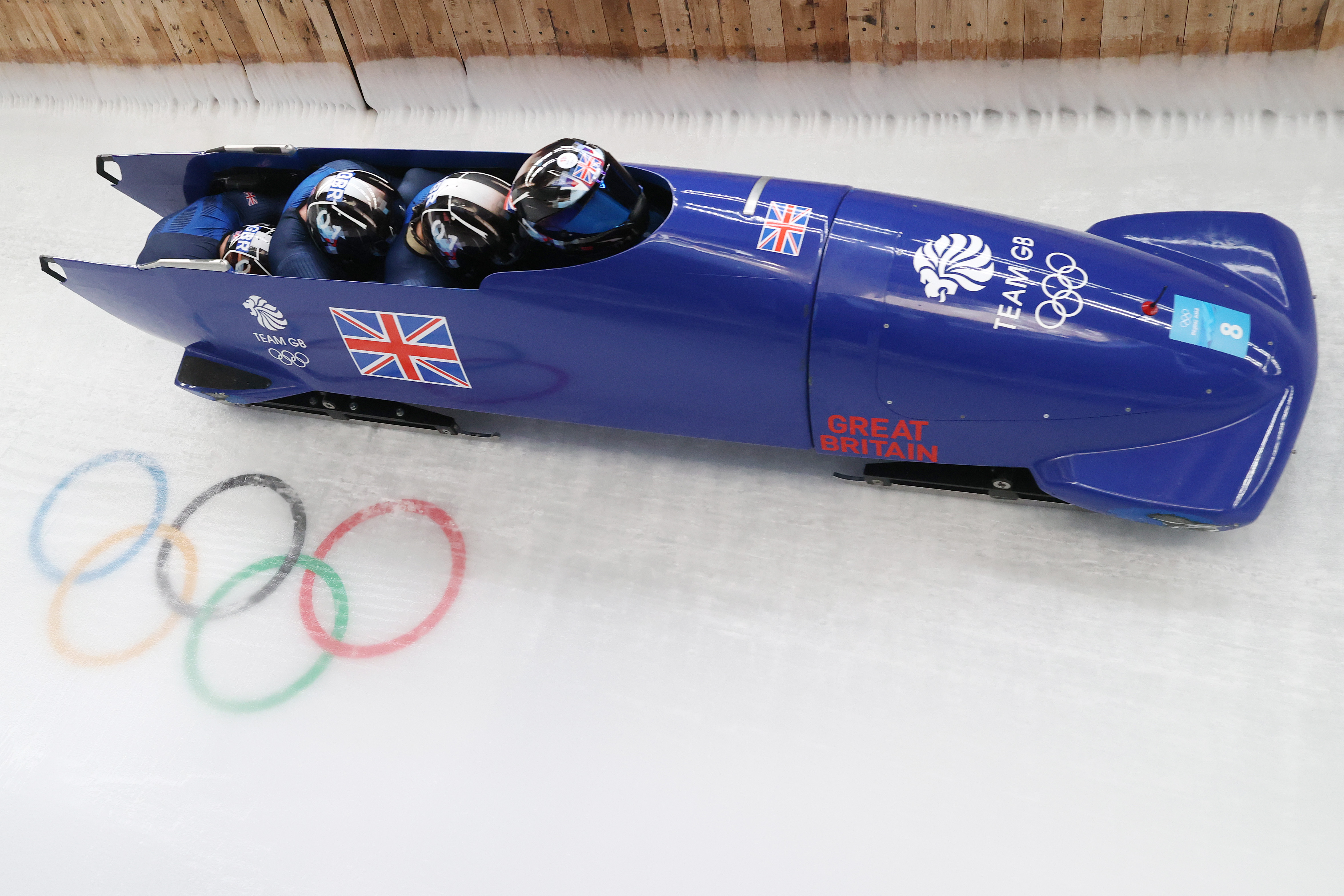
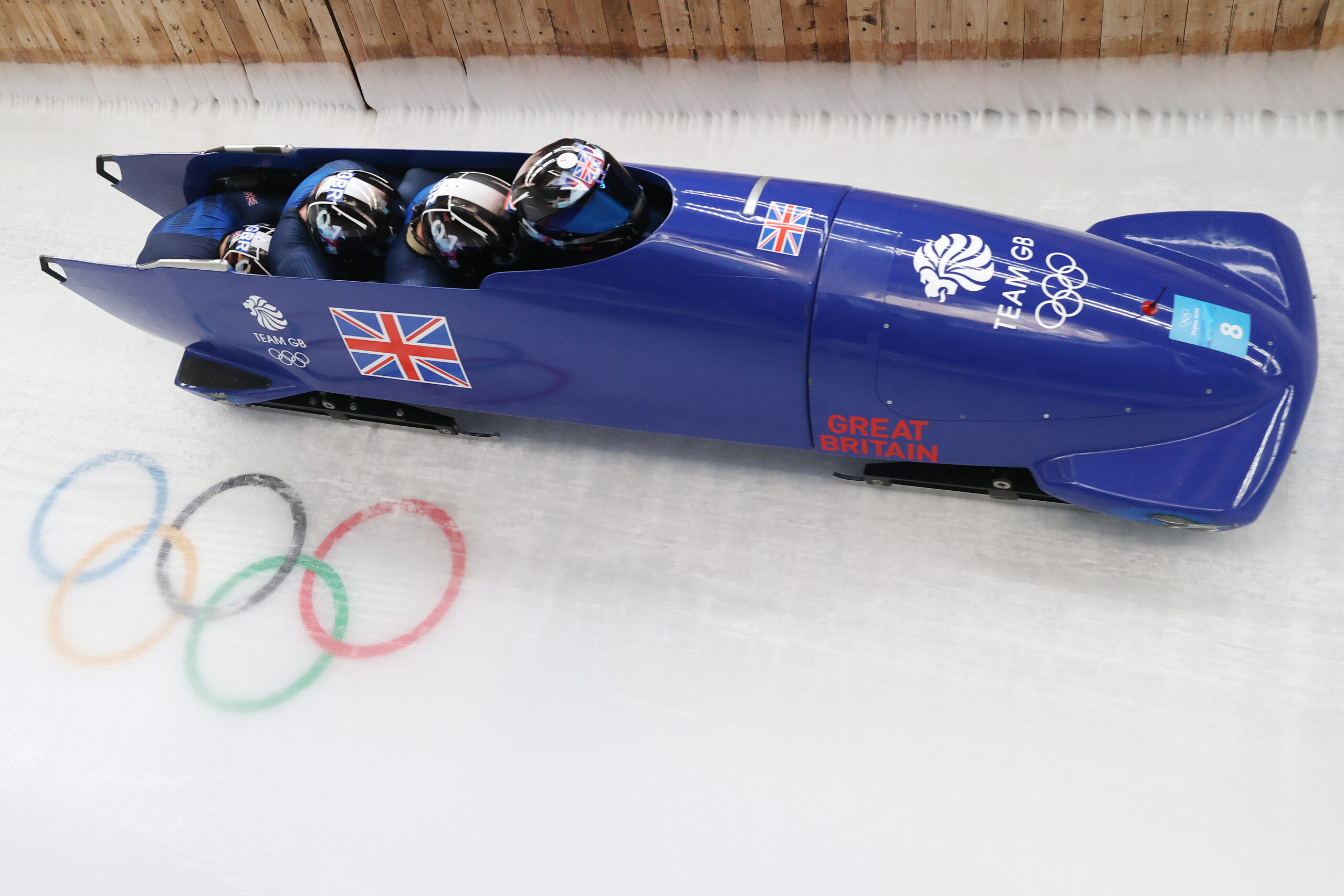
The connection between cold region research and crowdfunding may not be obvious, but everything becomes clear once I point out that we are in the middle of the Winter Olympics, and I draw your attention to the bobsled.
The scientists at Dartmouth created computer models for Kickstarter campaigns based on two opposing forces: friction and momentum. The bobsled was the perfect analogy: the extremely low levels of friction on the ice were no match for the sled’s momentum, which keeps it and its ride hurtling downhill to the finish line.
When they ran the models, though, they came up against a fundamental law of crowdfunding they hadn’t counted on:
There is no such thing as momentum.
Yesterday afternoon six people pledged to my campaign in fairly quick succession, at fairly regular intervals, and Newtonian physics would dictate that as seventh should follow—but no. The total hit $2,642 and stopped dead. All evening. All night. Next morning.
The scientists tapped on the gauges. They recalibrated their equipment. Where had that energy gone? As we all know, energy cannot be created or destroyed. Yet the bobsled had frozen, as it were, in mid-career, the grimace on its rider’s face caught forever, like the face of the strange pedestrian in Edvard Munch’s painting “The Scream.”
Reluctantly, they scientists came up with a new model. Perhaps, they hypothesized, that burst of activity was the Kickstarter equivalent of the WOW signal, that astonishingly long, coherent, powerful set of radio waves received by the Big Ear radio telescope at Ohio State University in 1977 from somewhere in the constellation Sagittarius that sure, surely was the first sign of intelligent life in outer space…but was never repeated, and has never recurred since.
So that’s how I feel this morning. One burst of activity from the cold regions of deep space, and I’m left glued to my set for the rest of time.
Please pledge to my campaign and restore the balance of Nature.
