
The Kickstarter Diaries Part 3: The Legend of Ulus
The third entry in my diary of life behind the scenes in a Kickstarter campaign. The first two entries recounted being attacked by bots as soon as the campaign started. Today I reflect on the most successful and disastrous Kickstarter I’ve run, the 2020 campaign to fund my Mongolian tabletop game Ulus: Legends of the Nomads. Now read on….
It began with me taking on the Chinese government, yet the outcome was not the result of a hacking war against me as I feared, but only the kind of result when you have a brilliant idea but have no clue what you’re doing with it.
When the Chinese announced, in 2020, that Mongol children living in Inner Mongolia would henceforth have to learn Chinese rather than their mother tongue, I thought, right. I’m going to do something to help them.
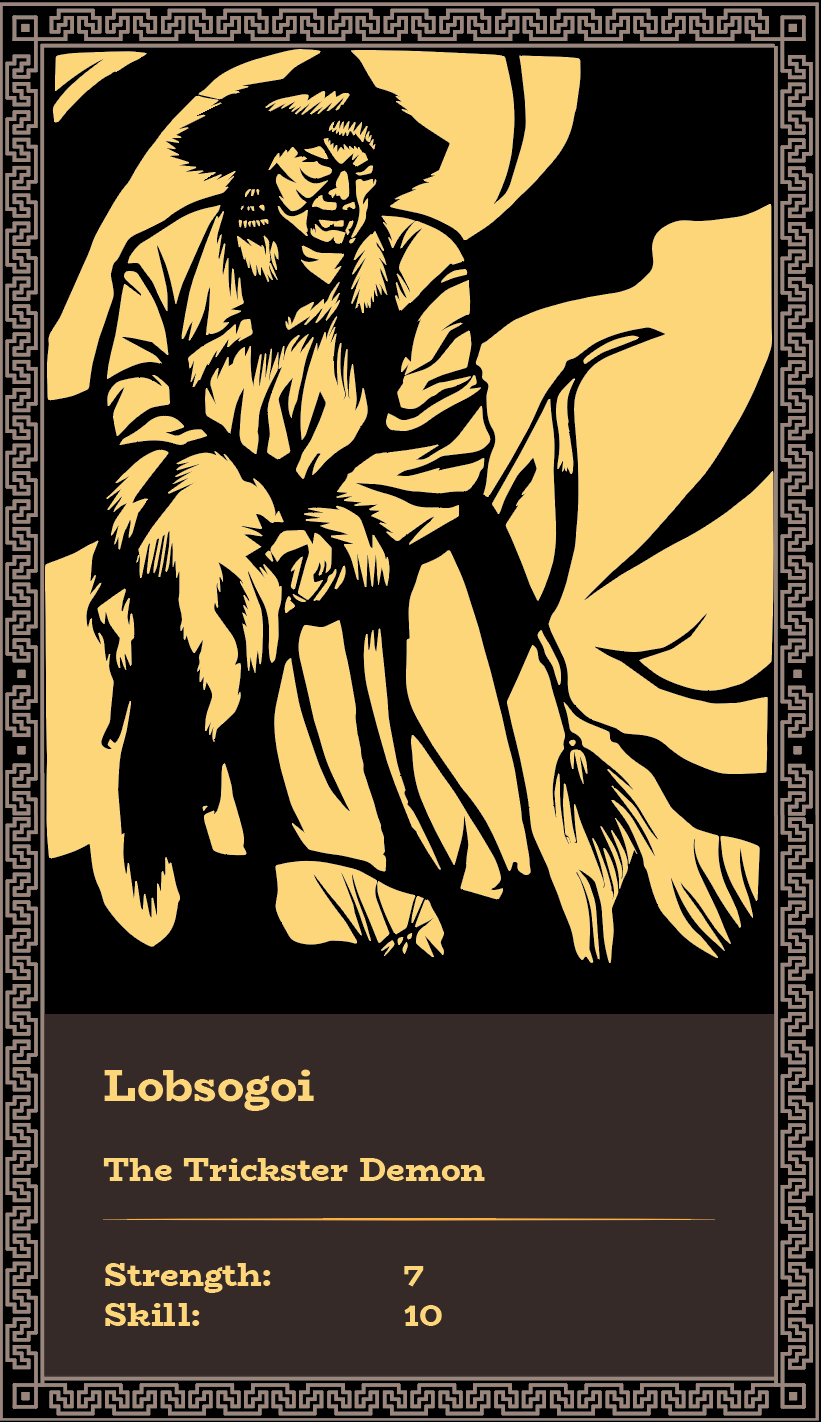
With help from a raft of friends, I designed Ulus: Legends of the Nomads, a tabletop game that featured Mongolian traditional heroes, gods, and monsters. The game mat was made (in Mongolia) of traditional felt, and instead of dice it used shaghai, the anklebones of sheep, also—what, harvested?—in Mongolia. The cards were painted by four different artists, two of them Mongolian, and the stunning box was designed by my art director Alec Julien, a collectible in itself.
It was utterly unique, and utterly awesome. It got rave reviews in a couple of gaming websites. People paid up to $250 for a single set… But I’m getting ahead of myself.
The Kickstarter campaign was weird. Gamers are very demanding folks, and many complained that they couldn’t watch a video playthrough, see all the components, or even get a complete set of rules. But wait, I said. Kickstarter is about seeing ideas through to completion, not about selling already completed products. What universe are you from? They wanted to know. They didn’t want to help the Mongol people; they wanted a cool game.
But my traditional faithful supporters got the point, and in the end the gamers got on board, my goal was smashed, and the final tally was over $37,000, a fortune by my standards.
Then the trouble began. Alec’s beautiful box had to be special-ordered from Hong Kong and cost as much as the rest of the game components put together. Our Mongolian friend who sourced the shaghai lost his mother to COVID, and then the whole country of Mongolia was effectively quarantined by the world: nothing got in or out.
Meanwhile, the game was so popular I was spending all my time packing cards, rules, games mats and the dwindling supply of shaghai into mailing boxes. Most manufacturers wanted orders of 5,000 or more, and it wasn’t (yet) that popular. And then the sting in the tail: the Kickstarter had raised enough that the Endangered Alphabets income that year crossed the IRS threshold and I was no longer under the radar: for the first time I had to produce all my financials for the past three years, which meant hiring a bookkeeper, and then faced IRS penalties of thousands of dollars. Ulus (which means land, home, or country) became the success that nearly killed the Alphabets.
All the same, folks don’t let that deter you from backing my current campaign. Ulus taught me the hard lessons, and I now know better how to cope with success.
What happened to the game? I donated all the remaining sets and components, except one, to the Southern Mongolia Human Rights Information Center to use as fundraising items or simply as giveaways because, and this is the best sign of success, the Mongols love the game. Those familiar names, those gods, those sacred sites, the migration around the game mat in tune with the seasons, the final showdown at the annual summer festival of Naadam. That’s what the Alphabets is good at.
Support my new Bring It Back Home campaign HERE.
